
Berkeley BESO 2026: What Is Changing and What Do Homeowners Need to Do?
Berkeley’s Building Emissions Saving Ordinance (BESO) is changing starting January 1, 2026, and it directly affects home sellers, buyers, and real estate agents.
Below are the most common questions people are asking—answered clearly and accurately.
What Is Berkeley’s BESO Program?
Berkeley’s Building Emissions Saving Ordinance (BESO) is a city program designed to reduce greenhouse gas emissions from residential buildings by requiring energy efficiency and electrification upgrades at the time of sale.
The 2026 update significantly changes who is responsible, when compliance is required, and how upgrades are completed.
What Is the Home Energy Score (HES)?
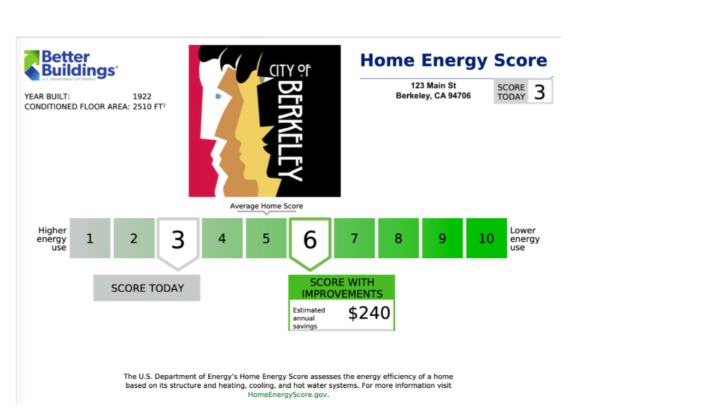
The Home Energy Score (HES) is a U.S. Department of Energy rating that measures how energy-efficient a home is.
Scores range from 1 to 10
1 = highest energy use
10 = most energy efficient
What’s new in 2026?
The seller must obtain the Home Energy Score
The score must be displayed on the MLS listing
Sellers can no longer defer this responsibility to buyers
If the Home Energy Score is missing, the buyer may be charged a $500 noncompliance fee.
When Do the New BESO Rules Take Effect?
The updated requirements take effect on:
January 1, 2026
This applies to most single-family homes sold in Berkeley after that date.
How Many BESO Credits Are Required?
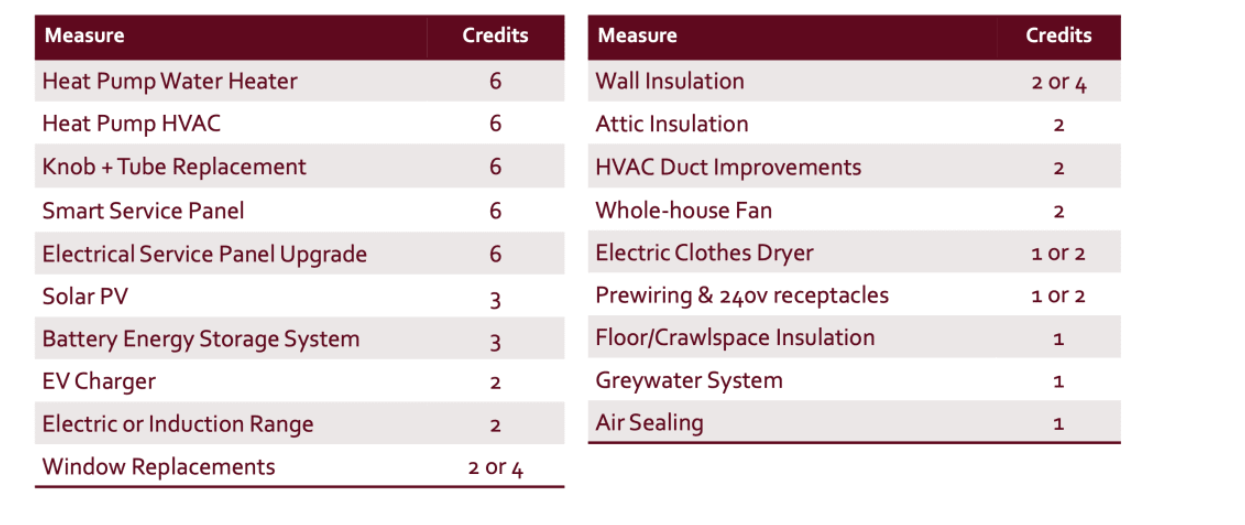
Homes must complete upgrades totaling 6 credits.
Credits can be earned through a combination of electrification, efficiency, and energy upgrades.
What Upgrades Qualify for BESO Credits?
Which upgrades earn the most credits?
6-Credit Upgrades (one upgrade meets full requirement):
Heat Pump Water Heater
Heat Pump HVAC
Knob-and-Tube Wiring Replacement
Smart Electrical Service Panel
Electrical Service Panel Upgrade
Do solar and batteries count for BESO?
Yes.
Solar PV system → 3 credits
Battery Energy Storage System → 3 credits
Together, solar + battery can satisfy the full 6-credit requirement.
Other qualifying upgrades include:
EV Charger (2 credits)
Electric or Induction Range (2 credits)
Window Replacement (2–4 credits)
Wall or Attic Insulation (2–4 credits)
HVAC Duct Improvements (2 credits)
Air Sealing, Crawlspace Insulation, Whole-House Fan (1–2 credits)
Who Completes the Upgrades: Seller or Buyer?
BESO allows two compliance paths.
What Happens If the Buyer Completes the Upgrades?
Seller obtains the Home Energy Score
Seller lists the home with the score on MLS
Buyer places a $2,500 deposit into escrow
Buyer completes upgrades within 2–3 years
Buyer submits compliance documentation
Buyer may receive up to $5,000 refunded after compliance
This option can make sense if the buyer wants to customize upgrades.
What Happens If the Seller Completes the Upgrades?
Seller completes qualifying upgrades before sale
Seller obtains Home Energy Score
Seller submits compliance certificate
No escrow deposit required
Property is fully compliant at closing
This option often makes the home more attractive to buyers.
Are Any Properties Exempt from BESO?
Yes. Common exemptions include:
ADUs and condos
Certain multi-unit buildings (covered starting in 2028)
All-electric homes with capped gas lines
Refinances and inheritance transfers
Some first-time homebuyer assistance programs
Always confirm exemptions with a professional.
Why Are Electrical Panels and Batteries Popular BESO Solutions?
Electrical upgrades and battery storage are increasingly popular because they:
Earn high BESO credit value
Improve resale value
Support full electrification
Provide backup power during outages
Future-proof the home for EVs and heat pumps
A panel upgrade + battery system is often more practical than insulation-only solutions.
What Happens If You Ignore BESO Requirements?
Failing to plan for BESO can result in:
$2,500 escrow deposits
Delays in closing
Reduced buyer interest
More expensive, rushed upgrades later
Early planning gives homeowners more flexibility and lower costs.
How Can Homeowners Prepare for BESO 2026?
The best steps are:
Get a Home Energy Score early
Identify the easiest path to 6 credits
Choose upgrades that also improve comfort and reliability
Work with licensed professionals familiar with Berkeley permitting
Who Can Help With BESO Compliance in Berkeley?
Ally Electric & Solar Inc. helps homeowners and sellers:
Understand BESO requirements
Design compliant electrification plans
Install permitted panel upgrades, solar, and battery systems
Prepare homes for resale with confidence
📍 Berkeley & Bay Area
📞 Contact us early at 510-559-7700 —BESO planning is easiest before you list.
SEO Keywords Naturally Covered
Berkeley BESO 2026, Home Energy Score Berkeley, BESO credits, Berkeley energy ordinance, battery energy storage BESO, electrical panel upgrade Berkeley, Tesla Powerwall Berkeley, solar battery compliance, electrification requirements Berkeley